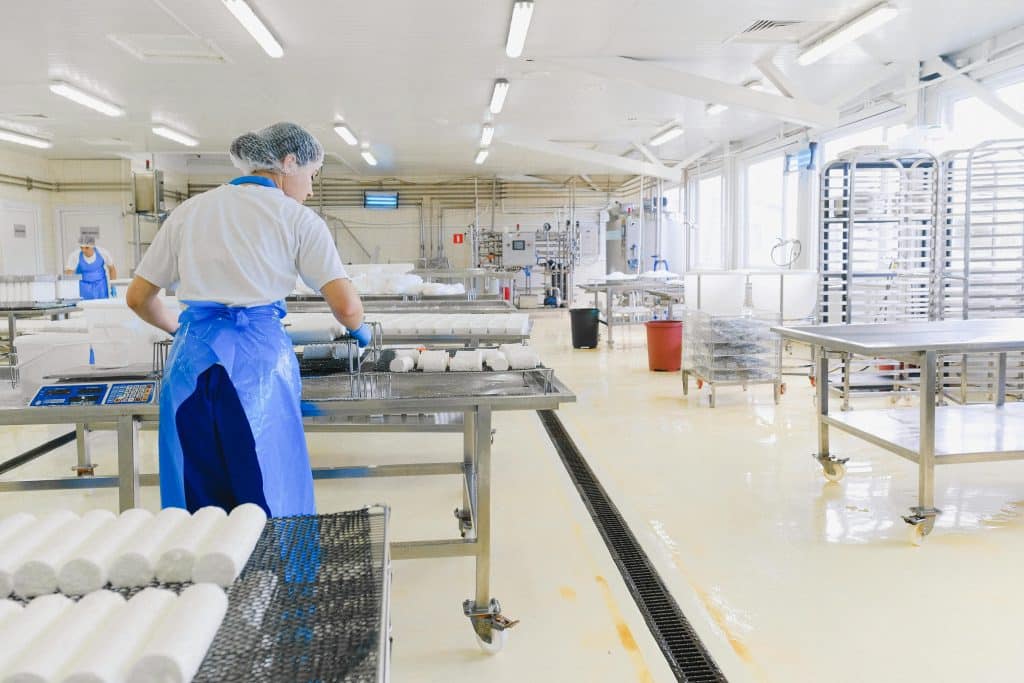
Supply Chain Issues Food Auditors Can Help Identify

Food auditors play a crucial role in the food industry, ensuring everything runs smoothly while keeping quality and safety a top priority. These experts dig deep into the supply chain to check for any hiccups that might cause problems later on. It might sound simple, but a peek into the details reveals just how vital their job is in making sure the food you enjoy is safe and meets high standards.
The food supply chain is like a complex puzzle with many pieces fitting together. With various suppliers, regulations, and logistics involved, it’s easy for things to go wrong. Food auditors step in to identify these issues before they snowball. From managing suppliers to overseeing logistics, their work ensures the food remains safe and delicious from the farm to your table.
Identifying Weak Points in Supplier Management
Problems in supplier management can slip through the cracks, causing disruptions in the supply chain. For instance, if a supplier fails to meet the set standards, this could affect the quality of the products downstream. Food auditors focus on spotting these weak links in the supply chain early.
Here’s how food auditors help:
– Check Supplier Credentials: They ensure every supplier meets the necessary certifications and qualifications required for handling food products.
– Inspect Facilities: Food auditors visit supplier locations to assess their processes and facilities, ensuring they align with safety and quality standards.
– Evaluate Supplier Performance: They track and evaluate suppliers’ performance over time to ensure consistency in quality and delivery.
A practical example might involve auditing a supplier’s facility. An auditor might notice lapses in hygiene standards, like improper storage of raw ingredients. By flagging this, they can recommend corrective actions, ensuring the entire chain maintains its quality.
Ensuring Compliance with Regulations
Compliance with food safety regulations is crucial for any food business. These rules are there to protect consumers and ensure that businesses operate under clear and fair standards. Food auditors make a significant impact by ensuring these regulations are followed to the letter.
They conduct thorough audits to guarantee every aspect of the operation aligns with legal standards. This includes reviewing documentation, assessing food handling processes, and ensuring proper labels are used. While rules can change and might seem daunting, food auditors stay on top of these changes, helping businesses adapt swiftly and effectively.
Improving Inventory Management
Managing inventory well is no easy task in the food industry. Stock levels can fluctuate, leading to either shortages or excesses, both of which can be costly. Food auditors step in to help companies balance their stock and manage their inventory more effectively.
They look into existing inventory practices to identify any inefficiencies. Auditors assess not only how food products are stored but also how often inventory checks are conducted. By finding gaps, they can suggest improvements that prevent overstocking or spoilage. For instance, food auditors might introduce new inventory management systems that track stock levels in real time, helping businesses maintain just the right amount on hand.
Enhanced inventory practices not only ensure that there’s always enough product to meet demand but also reduce waste. By identifying slow-moving items and suggesting adjustments to purchasing schedules, food auditors help businesses save money and operate more sustainably.
Enhancing Logistics Efficiency
Logistics form the backbone of the food supply chain, intertwining various processes from farm production to final distribution. If anything goes awry, it can delay shipments or spoil products. Food auditors aim to streamline these processes to keep everything moving smoothly.
They evaluate everything, from transport methods to delivery routes, looking for potential improvements. By analysing these logistics elements, auditors can suggest more efficient routing software or better scheduling to minimise delays. A practical change might involve collaborating with logistics providers to ensure better temperature-controlled transport, keeping products fresh until they reach store shelves.
In addition, they ensure that all elements of logistics comply with safety and quality standards by monitoring delivery conditions and transit times. This vigilance helps companies keep their supply chain efficient and reduce the risk of product loss or damage.
Strengthening Your Supply Chain
Auditors bring value far beyond detecting problems. By partnering with them, businesses can transform their supply chain into a powerhouse of reliability and efficiency. With an auditor’s keen eye, gaps are filled, risks are lowered, and quality becomes consistent across the board. Whether by improving supplier reliability, ensuring regulatory compliance, or boosting logistics processes, the impact on a business is profound.
Collaborating with experts in food safety auditing means tapping into a wealth of experience. Many businesses find tremendous value in this partnership because auditors look at supply chains from every angle. In doing so, they help create a seamless system that ultimately benefits the consumer by delivering safe, high-quality products consistently.
Businesses wanting to maintain a robust food supply chain can’t underestimate the importance of having these checks in place. As an industry evolves, having knowledgeable professionals identify and solve problems ensures ongoing success in delivering safe and satisfactory products to customers.
If you’re looking to make your supply chain more efficient and address any underlying issues, connecting with professionals in the field can be a big step forward. Discover how working with expert food auditors can refine your operations and ensure high standards with MQM Consulting. Let us help you enhance the quality and reliability of your supply chain, providing peace of mind and consistency in every product you offer.

Richard Mallett
[email protected]