Are You Ready for a Food Hygiene Audit This Spring?
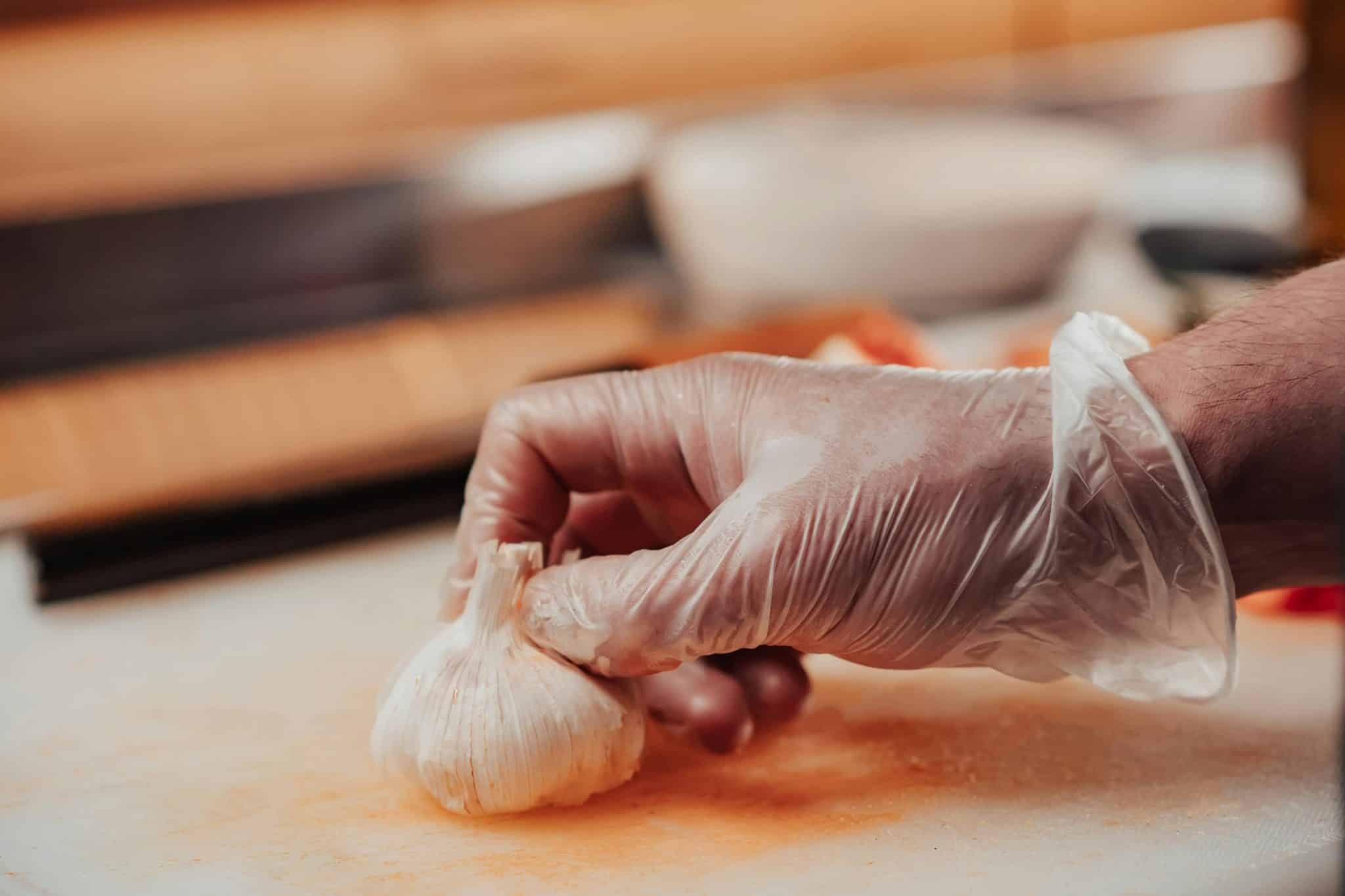
Spring’s nearly here, and for food businesses, that means a change in pace and often a shift in risks. Longer days, higher temperatures, and stepped-up deliveries can all impact how clean and audit-ready a site really is. If you haven’t thought about your hygiene controls since winter started, now’s a good time to ask yourself: are we actually ready for a food hygiene audit?
Before things get too busy, it helps to look around with a clear head. Use this time to spot the smaller issues that could grow into bigger ones under audit pressure. A bit of prep now may prevent that last-minute panic when visits roll around.
Review Cleaning Schedules and Records
Cleaning routines might be written down, but that does not mean they are being followed. This is one of the first things an auditor will check, and they can usually tell when a record is out of date or only filled in just before a visit.
• Review daily, weekly, and monthly cleaning tasks. Check they are being done on the right days and signed off properly
• Include seasonal tasks like deep cleans and outdoor areas in your current plans
• Watch out for blanks or unclear entries, especially handwritten ones. If something needs to be verified, make sure there is backup
Spring often brings more foot traffic and more product movement, which means more dirt. It is easy to let these extras fall off the radar when systems are already under strain.
Check for Early Signs of Spring-Weather Impact
Rising temps change a lot inside food sites. Equipment that worked fine in winter may struggle as the air warms up. Little shifts in temperature, air flow, or humidity can throw routines off balance just enough to affect safety.
• Check your chillers and freezers to make sure they are keeping the right temperatures. This is even more important as the weather swings in early spring
• Look for signs of condensation, leaks, or damp spots that could cause mould or damage stock
• Check external areas like loading bays, delivery points, bins, and any drainage spots for build-up or leftover winter debris that might affect hygiene
Pests also tend to reappear now. Any gaps or messy storage areas near doors or vents could invite them back inside.
Update Staff Hygiene and Training Information
Auditors do not just look at logs and checklists; they often talk to staff. Can your site workers answer basic hygiene questions? Are they using PPE correctly? Are handwashing signs in the right places and easy to follow?
• Block 30 minutes to check training logs and book in any refresher sessions for long-standing staff
• Freshen up posters, restock soaps and sanitisers, and make sure wash stations are clean and working
• Have someone informally ask staff the kind of hygiene questions auditors might. It will help flag where people need more info or support
Confidence goes a long way during an audit. If staff feel prepared, it shows across the board.
MQM Consulting offers food safety training and refresher sessions as part of its core service, ensuring your staff receive up-to-date information on spring hygiene risks and control practices.
Revisit SOPs and Audit-Ready Files
Documents that supported you through winter might now need a spring update. If you added any temporary shifts or changes, do not forget to review these before audits restart.
• Go through your SOPs and checksheets with fresh eyes. Anything unread or unedited for months should be reviewed
• Make sure copies match what is happening on the floor, not what “should” be happening
• Digital files need attention too; files named poorly or saved in odd places only make audits harder
Audit files often get left until there is pressure. Doing one section a day now can keep the whole lot feeling manageable.
MQM Consulting helps sites streamline their document control, from SOPs and cleaning logs to risk assessments and audit-ready files, reducing last-minute stress when inspectors arrive.
Walk the Site with a Fresh Set of Eyes
This goes beyond paperwork. A physical walkthrough, pretending today is audit day, can reveal all sorts of tasks that get forgotten once you are stuck at a desk.
• Start outside and move through each section in order. Notice smells, noises, or clutter you have stopped seeing before
• Watch for peeling paint, dusty vents, marks on walls, or bins not properly closed
• Door seals, light covers, and flap curtains often get damaged over winter. Check they are intact and clean
Sometimes it is the little things that raise a red flag with auditors. Spotting them now gives more time for steady fixes, not rushed ones.
Getting Ahead This Spring
A good food hygiene audit starts long before the visitor arrives. It builds on habits, not panic. By using the last days of winter to clean up records, walk the site, and refresh training, the busier months ahead can feel more in control.
Spring often brings both energy and clutter at the same time. We look for balance by tackling what is looked over during quieter months. That might be a gap under a door that let last year’s pests in, or a cleaning log that nobody has reviewed since autumn. Whatever it is, now is the right time to fix it. Once things get busy, small problems often become bigger ones.
For extra reassurance, MQM Consulting offers practical gap analysis and pre-audit health checks, so food businesses can confidently face inspections with solid systems and clear proof of compliance for each new season.
We help food businesses of all sizes feel confident before their next audit by spotting risks early, organising paperwork, and making sure everything is in order when it matters most. At MQM Consulting, our expertise covers documents, cleaning logs, and checksheets, so being prepared for a thorough food hygiene audit never feels like guesswork. Let’s discuss your current strengths and how we can make your processes stronger. Just call or message us to get started.

Richard Mallett
[email protected]

